
What is philosophy?
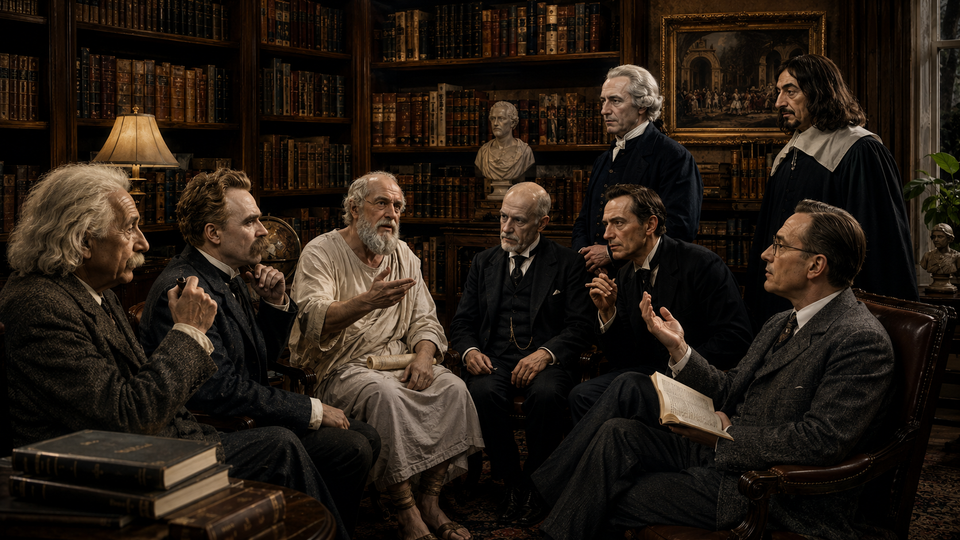
Try this one on for size: how can you ask "What is philosophy?" without already knowing what philosophy is?
If you don't know what it is, you wouldn't recognize the answer even if you stumbled onto it. But if you already know what it is, why bother asking?
Plato put this puzzle in the mouth of Meno about 2,400 years ago, and it still has teeth. In my latest video, I work through what happens when we turn Meno's paradox back on philosophy itself.
A False Dilemma
The paradox only bites if you accept its setup—that either you know something completely or you don't know it at all. But that's not how knowledge actually works. We spend almost our entire lives in the in-between: knowing some things partially, learning more as we go, refining what we thought we already had figured out.
And notice what just happened. To work out whether the question "What is philosophy?" can even be asked, we had to weigh reasons, examine assumptions, and pick out a hidden distinction the paradox was relying on. That is philosophy. By trying to figure out whether we should do philosophy, we already started doing it—and we walked away with more knowledge than we started with.
So What Is It, Then?
Philosophy is what happens when we take the big questions seriously—the ones science can measure around but can't quite settle, the ones math can describe but can't decide for us:
What is knowledge? What is art, or physics, or justice, really? What is right, and what is wrong? What is really real? And the trickiest one of all—can we even ask these questions and hope for an answer?
Part of what philosophers do is analyze concepts. We pull words apart and look at what's inside them, because muddled concepts lead to muddled lives. If you don't know what "fairness" really means, you can't recognize when you've been treated unfairly. If you don't know what "knowledge" is, you can't tell when you actually have it and when you only think you do.
These questions matter to all of us, whether we ever pick up a philosophy book or not. And that is why they're worth asking—because their answers shape how we live.