
Are teams real?
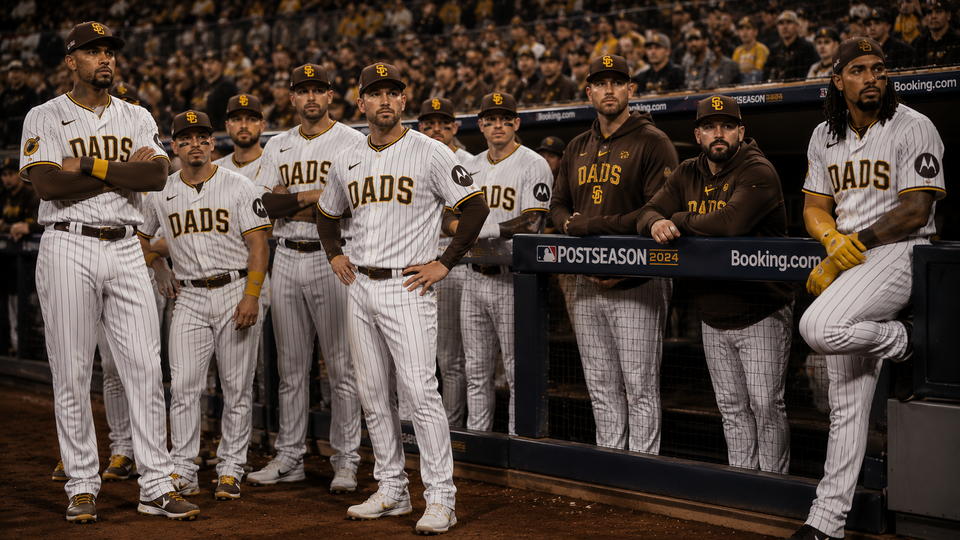
When Is a Team Still the Same Team?
In 2018 the New England Patriots were chasing their sixth Super Bowl ring, and the obvious question was whether the franchise was "six-peating." But it was already weird to call it that. The roster in 2018 looked almost nothing like the one that won the first ring in 2002. So is that really the same team putting up another title? Or just a team wearing the same logo?
Fast-forward to today. Brady is long gone. Belichick is gone. The helmet is the same, the fans are (mostly) the same, almost everything else has been replaced. Are these still the Patriots?
In my video, I argue this isn't a trivia question. It's a metaphysics question—and it's a lot older than football.
Meet the Ship of Theseus
About 1,900 years ago Plutarch wrote down a puzzle the Athenians had been chewing on for centuries. They had preserved the ship of Theseus as a monument, replacing the planks as they rotted. Eventually not a single original plank remained. Was it still Theseus's ship?
Hobbes made it worse. What if someone collected all the discarded planks and reassembled them into a ship? Now you have two candidates for "the real ship of Theseus." Which one wins?
This is the same puzzle as the Patriots, just with planks instead of pads. Trade a player here, fire a coach there, swap an owner, move the stadium—when is it a new team? Anything you try to point at as the magic threshold ends up feeling arbitrary. Is it 51 percent of the roster? The starting quarterback? The head coach? The owner? Pick a line and someone will give you a counterexample by the end of lunch.
Aristotle's Answer: It's Not Just the Stuff
Here is where I think Aristotle—and Aquinas after him—had the right move. He noticed that a thing isn't only its matter. It also has a form: the organizing principle that makes it the kind of thing it is.
The matter of the Patriots is the players, coaches, equipment, building. That matter is constantly being swapped out, and there's no clean line for how much has to change before "it" becomes something else. If matter were all there was, we'd be stuck.
But the form is different. The form is the franchise's organizational continuity, its lineage in the league, the unbroken thread of ownership and charter, the relationship to a city and a fan base. The form is what makes this collection of bodies and contracts into a team rather than a pile of guys with jerseys. And a form can persist even as the matter turns over completely.
That's why we can sensibly say the Patriots are still the Patriots without having to point at any particular plank.
It also explains why the Houston Oilers becoming the Tennessee Titans feels different from the Cleveland Browns staying the Cleveland Browns through a roster overhaul. When the form changes—the city, the name, the charter relationship—something genuinely new comes into being. When only the matter changes, it doesn't.
And If That Works for Teams...
Here is where it gets uncomfortable. Your cells turn over. Your memories shift. Your beliefs and relationships are not what they were ten years ago. If the question "when is a team still the same team?" has an answer, the question "when am I still the same me?" probably does too—and the answer probably isn't going to be your atoms.
But that one's for another video.